

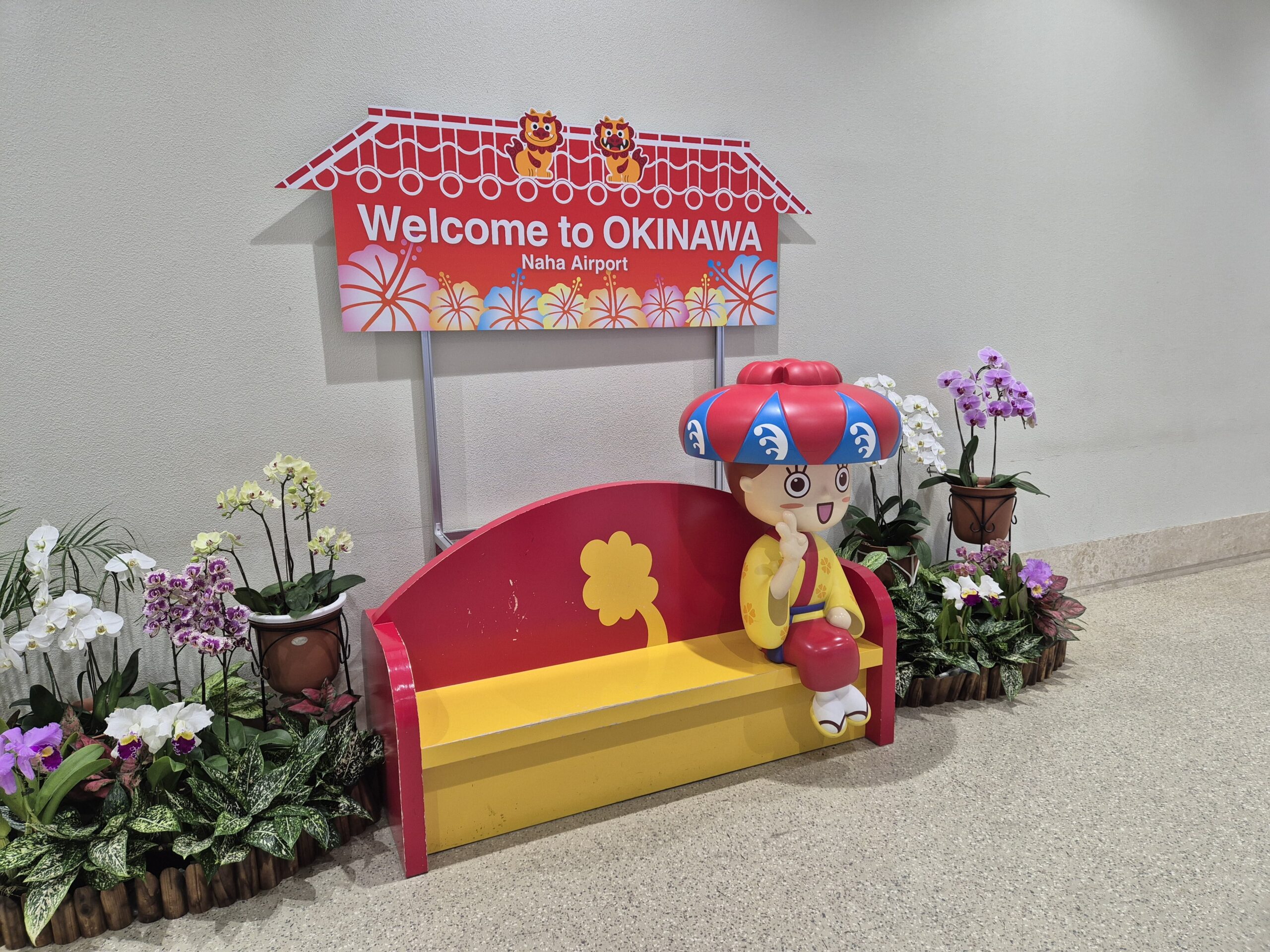
Things to Do in Naha, Okinawa: A Simple Travel Guide
Okinawa Between Sea and Story
Okinawa is more than an island – it is a meeting place of histories, cultures, and resilience. Once the heart of the Ryukyu Kingdom, later scarred by the Battle of Okinawa, and still marked by the presence of American bases, this land carries layers of memory. Yet beneath these stories, the island pulses with life, balance, and warmth. Okinawa is known as a Blue Zone, where people are recognised for their longevity. Life here is closely connected to joy, community and a quiet appreciation of each day. See things to do in Naha, Okinawa, that let you experience both its culture and its soul.
When we arrived, Okinawa welcomed us not with the sun, but with clouds, wind, and gentle rain. And as the raindrops fell, our pace slowed, our senses sharpened, and the island seemed to invite reflection. In this spirit, each section of this guide ends with a question – an invitation for you to pause, notice, and let the experience of Naha touch something deeper within.
When you wander through a place steeped in history, what stories are waiting to touch you beyond the sights?
Best Things to Do in Naha, Okinawa
Naha is the gateway to Okinawa, but it is much more than a place to pass through on the way to the beaches. From the historic streets of the old Ryukyu Kingdom to lively markets, peaceful gardens, local food and a beach right in the city, there are plenty of things to do in Naha, Okinawa.
We spent time exploring Naha at a slower pace, and even the rainy weather became part of the experience. These are some of the places and experiences that stayed with us most.

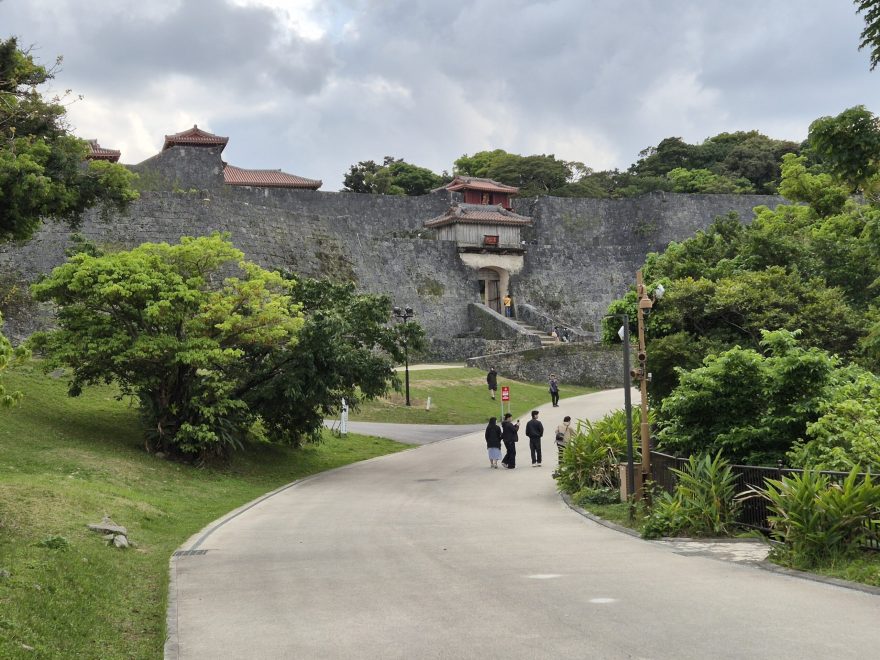
Shuri Castle: Explore the Heart of the Ryukyu Kingdom
Shuri Castle stands above Naha and tells the story of the Ryukyu Kingdom. It was once the royal palace and remains one of Okinawa’s most important cultural landmarks. Its crimson walls and tiled courtyards show a blend of Japanese, Chinese and Southeast Asian influences. Over the centuries, the castle has been burned, rebuilt and reborn. Today, it stands as a powerful symbol of Okinawan history and resilience.
If you love historic fortresses and want to explore beyond Japan, check out our guide on how to get to the Great Wall of China by public transport from Beijing. Like Shuri Castle, the Great Wall is a testament to history and ingenuity, waiting to be discovered by travelers who embrace curiosity and local transport.
When you stand where centuries of lives and traditions have passed, what echoes do you hear?


Kokusai Street: Experience the Heart of Naha
At the centre of Naha, Kokusai Street (Kokusai-dori) is where the city feels most alive. Bright shops, bustling markets and food stalls fill the street with colour, sound and the energy of everyday Okinawan life. You’ll find everything from handmade crafts and souvenirs to local snacks and street food, making it an easy place to experience the more lively side of Naha. This is where locals and travelers cross paths in the easy rhythm of Okinawan hospitality. This is also the place to find the beloved purple potato sweets (beni-imo tarts). A taste that has become one of Okinawa’s sweetest symbols.
If you love exploring vibrant city streets, Kokusai Street offers a different flavour of Japan from the neon-lit energy of Tokyo. Yet both share the charm of markets, food and local culture woven into everyday life.
While life hums around you, which simple details capture your attention?


Fukushu-en Garden: A Peaceful Escape in Naha
Fukushu-en Garden is one of the quieter places to visit in Naha, especially when you want a break from the energy of the city. Built to celebrate the historic ties between Naha and Fuzhou in China, the Chinese-style garden is filled with lanterns, water, bridges and traditional architecture. At night, when the lights come on, the atmosphere becomes even more peaceful. In contrast to the noise of Kokusai Street, this is a place where the city seems to exhale – and so do you.
If you are fascinated by water, bridges, and intricate garden design, you might also love Zhujiajiao, the “Chinese Venice” near Shanghai.
When night falls and the world softens, where do you find calm in your own day?


Naminoue Beach: Naha’s City Beach
Just a short distance from central Naha, Naminoue Beach is an unusual little stretch of sand tucked beneath a bridge. Naminoue Shrine overlooks it from above. On sunny days, locals and visitors come here to swim and relax. It is an easy way to enjoy some time by the sea without leaving the city. When the weather turns cloudy or rainy, as it did during our visit, Naha offers a different kind of experience. Food, restaurants and everyday life become part of the adventure. The weather may change your plans, but not the journey’s meaning. Do you embrace the unexpected detours, or do you resist them?
How does the rhythm of the sea change the way you notice the world around you?

Okinawan Food: What to Eat in Naha
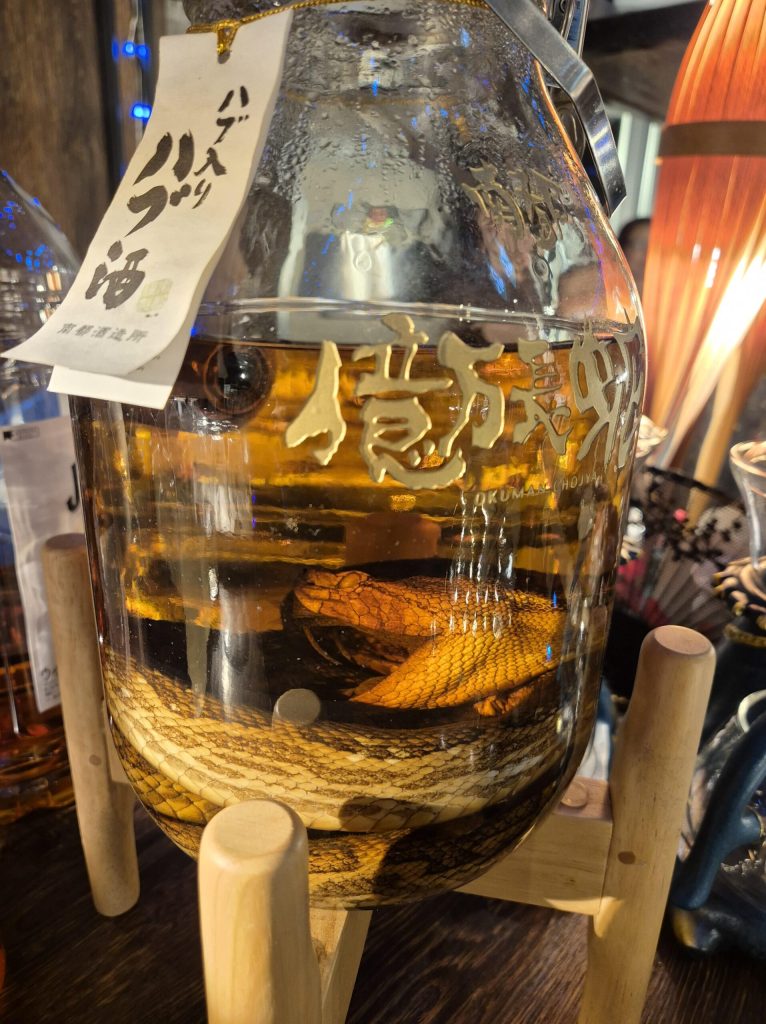
To eat in Naha is to taste the history and character of Okinawa. Okinawa soba is simple, comforting and deeply local, while rafute (braised pork belly) and goya champuru bring stronger flavours and textures to the table. Don’t leave without trying something made with the island’s famous purple sweet potatoes, such as beni-imo tarts. We also discovered some unexpected flavours in Naha. These included matcha-coated almonds and surprising combinations of almonds and dried fish. Then there is awamori, Okinawa’s distinctive spirit. It comes with its own fascinating traditions.
If you’re wondering what to do in Naha when it rains, exploring the local food scene is one of the most rewarding options. Rainy days gave us an excuse to linger over meals, discover small food stops and experience a side of Naha that we might otherwise have rushed past.
Where to Eat in Naha, Okinawa
If you’re wondering where to eat in Naha, Okinawa, here are some recommended places with locations that capture the island’s flavors. From ramen and curry to sushi, coffee, and awamori spirit. Each spot offers not only food, but also a glimpse into the rhythm of everyday Okinawan life.
- Ramen Namizou (ラーメン波蔵) – Rich, comforting ramen bowls full of depth and warmth.

2. Fukushen Garden Cafe Restaurant – A hidden gem inside the garden where you can taste awamori spirit and enjoy tea served in a beautiful vessel you won’t forget.

3. MaxValu Wakasa Supermarket – Everyday Okinawan life on display, with fresh trays of sushi at prices that make indulgence easy. Almonds in green tea chocolate, the surprising mix of almonds with dried fish, and much more.


4. チャトニ・カレー店 (Chatoni Curry Shop) – Serving what may be the best Japanese curry in Naha, hearty, rich, and full of comfort.

5. Rokkan COFFEE SHURI – A peaceful stop for carefully crafted coffee, prepared with artistry and patience.

6. Okinawa Bar Haisai Sakaemachi Market Store – A lively bar serving rafute (braised pork belly) and awamori spirit, with a special bell you can ring to summon your glass.

Each of these places offers more than a meal -they offer a moment, a memory, a story to carry home.
Which flavors have a way of grounding you, connecting you to a place or memory?
Asahigaoka Park: A Place of Remembrance
Among the trees of Asahigaoka Park, a monument catches the eye: the “To the Dead Newspaper” memorial. It is dedicated to journalists who died during the Battle of Okinawa. Its unusual name naturally makes you stop and wonder about the story behind it. Here, remembrance and history sit quietly alongside the greenery, creating a very different experience from the busy streets of central Naha. It is a place that reminds us that travelling through a city also means taking time to understand the memories it carries.
Which stories or histories in your own life do you feel deserve to be remembered?


Discover Shisa: Okinawa’s Guardian Lions
What Are the Lion Statues in Okinawa and Why Do They Guard Homes?
All across Okinawa, pairs of Shisa guard doorways, rooftops and entrances. These distinctive lion-dog figures have their roots in ancient China and became part of Okinawan culture. Through centuries of trade and cultural exchange. Traditionally, one Shisa has an open mouth to keep misfortune away, while the other keeps its mouth closed to hold in good luck. You’ll notice them everywhere in Naha. From traditional homes to shops and rooftops, making them one of the most recognisable symbols of the island.
What small symbols in your surroundings make you feel protected or welcomed?


Going Beyond Naha: Renting a Car in Okinawa
Naha is full of culture, history and local flavours, but some of Okinawa’s most beautiful places lie beyond the city. The Yui Rail monorail covers only part of the island, so if you want to explore beaches, villages and more remote cultural sites, renting a car can give you much more freedom.
A Quick Tip: To drive in Japan, you need an International Driving Permit (IDP) issued under the 1949 Geneva Convention. Make sure you have the correct permit before travelling, as having the wrong type can leave you unable to rent a car. Learn from our mistakes: checking your driving requirements before your trip can save a lot of frustration once you arrive.
Otherwise, all that remains is admiring the uniquely shaped Japanese cars from the street. And the lace-covered seats of the taxi 🙂
Taxi / Didi Tip: Don’t try to open or close the taxi doors like in Europe or Thailand. They are fully automated and are opened and closed by the driver.


The Soul of Naha – Things to do in Naha, Okinawa
To explore things to do in Naha, Okinawa, is to walk in a space where time folds quietly upon itself. Where the past lingers in stone walls, and the present shimmers in the waves along the shore.
You do not arrive at a paradise island hoping for rain; yet when the clouds and drizzle greeted us, they became an unexpected guide.
At first, we felt a quiet disappointment – this was not what we had imagined – but slowly, we began to notice what the sun might have hidden: the tender warmth of a bowl of ramen, the delicate sweetness of purple potato treats, the life pulsing in streets often overlooked.
The rain whispered a lesson we hadn’t expected: sometimes the things we resist most are the ones that open our eyes to deeper joys.
From guardian lions to royal castles, from bustling markets to hushed gardens, Naha does not ask to be seen – it asks to be felt. And in this feeling, we realized that life itself unfolds in ways beyond our control, revealing moments of beauty only if we pause, breathe, and accept the present.
If the world turns in ways you did not choose, can you open yourself to what it offers instead?

Frequently Asked Questions About Things to Do in Naha, Okinawa
These are called Shisa – guardian lion-dogs that protect homes and shops from evil spirits while inviting good fortune.
Is there a beach in Naha City?
Yes, Naminoue Beach is Naha’s main city beach, ideal for swimming or relaxing with the city and ocean in view (when the weather allows :))
Shuri Castle was the royal palace of the Ryukyu Kingdom and a symbol of Okinawa’s cultural and political heritage.
Located in Asahigaoka Park, it commemorates journalists who died during the Battle of Okinawa, preserving memory and history.
Kokusai-dori is Naha’s main shopping and dining street, full of food stalls, souvenir shops, and cultural experiences.
What is Fukushu-en Garden and why visit at night?
Fukushu-en Garden is a Chinese-style garden that celebrates the ties between Naha and Fuzhou. Evening visits offer lantern-lit serenity and quiet reflection.

More Journeys You Might Love – beyond Things to do in Naha, Okinawa
- Explore 13 Unique Things to Do in Tokyo – from sacred shrines to playful KitKats, Tokyo is a city of endless contrasts.
- If you loved discovering Naha, you might also enjoy 1-Day Layover in Shanghai: Yu Garden, Shanghai Tower & Ferrari. See how a few hours in Shanghai blend tradition, skyscrapers, and unexpected delights.
- For calm canals and ancient bridges, check out Zhujiajiao Day Trip from Shanghai: The Chinese Venice Awaits. A day trip that shows how history, water, and local life merge just beyond the city.
- If vibrant markets, temples, and spirit-filled surprises call to you, Unusual Things to Do in Bangkok for Body, Mind & Spirit is full of Thai places that move between color and stillness.
- For slower rhythms, hidden temples, and quiet countryside, Chiang Mai Temples and Travel Tips: Rice Fields & Markets or Chiang Rai Travel Guide offers a way to explore northern Thailand with heart and presence.
- For culture beyond the street, try Day Trips from Bangkok for Culture, Color & Hidden Gems – Top 6 -where small villages and temples become big teachers in light, sound, and local flavor.
- Curious about Taiwan’s famous flavours? Don’t miss Most Famous Taiwanese Food Worth Trying. From crispy scallion pancakes and beef noodle soup to bold night market classics like stinky tofu.